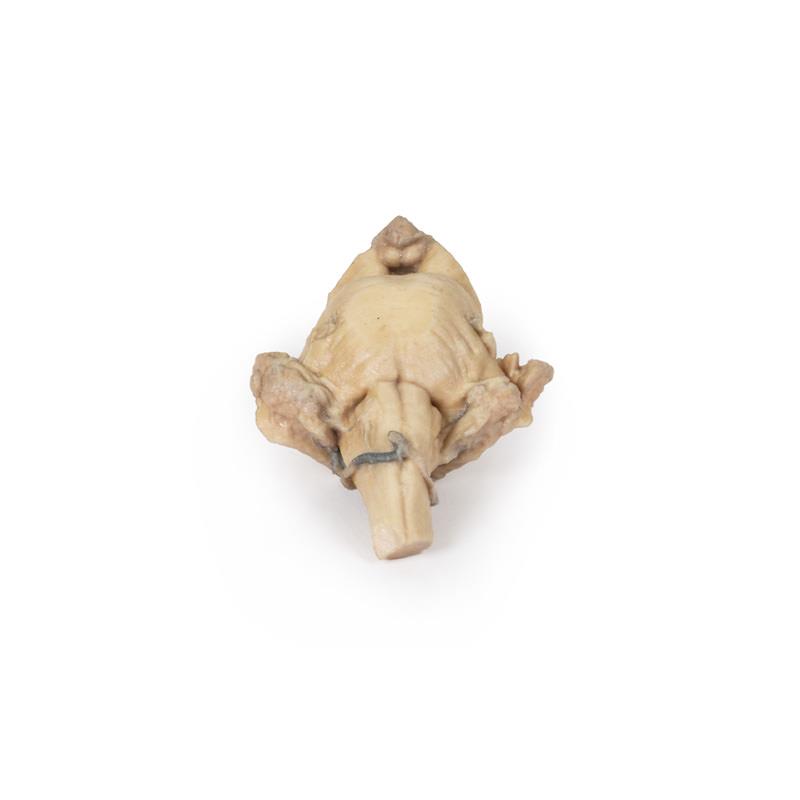
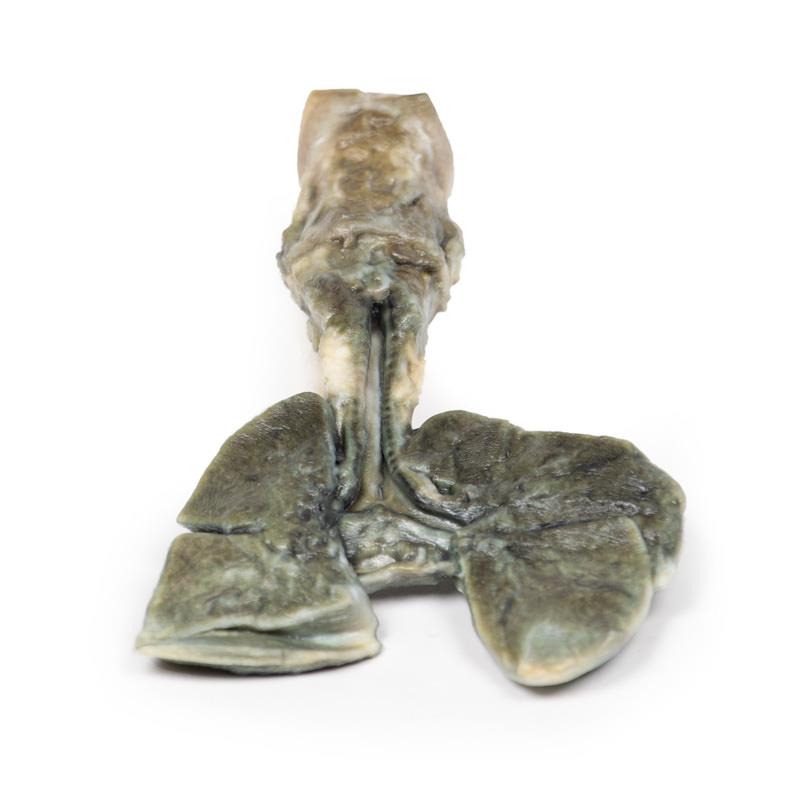
Tracheoesophageal Fistula and Oesophagus Atresia
SKU ERLMP2059
Product Description
The Tracheoesophageal Fistula and Oesophagus Atresia is a clinical-grade 3D printed anatomical model designed for medical professionals and educators. It gives detailed insight into congenital foregut malformations, supporting teaching and advanced clinical training. Choose this model for exceptional realism and a clear demonstration of Type C anatomy, enabling better understanding and communication of complex clinical conditions.
Bring Clinical Cases to Life with Unmatched Anatomical Precision
This Tracheoesophageal Fistula and Oesophagus Atresia model allows educators and students to visualize one of the most common neonatal airway malformations. The model represents a fetus specimen inclusive of the tongue, larynx, trachea, bronchi, both lungs, and oesophagus. It showcases a communicating fistula connecting the distal oesophagus to the trachea, highlighting the classic Type C defect. Health professionals use this model to demonstrate associated clinical findings, typical pathology, and postnatal complications, which include aspiration pneumonia and feeding difficulties. The model also helps explain associations with VACTERL and CHARGE syndromes. Precision 3D printing ensures durability and anatomical accuracy, making this model an essential tool for medical training and curriculum development.
Features and Benefits
- 3D printed from high-resolution scans for realistic anatomical detail
- Includes tongue, larynx, trachea, bronchi, lungs, and oesophagus
- Shows Type C distal tracheoesophageal fistula
- Excellent for demonstrating pathology of neonatal airway and digestive anomalies
- Durable material withstands regular educational use
- Clinical-grade model for advanced teaching and practical exams
Indications for Use
- Medical and allied health education
- Clinical skills training for congenital foregut malformations
- Teaching congenital associations like VACTERL and CHARGE syndromes
- Creating awareness of neonatal diagnostic pathways and complications
Size Guide
- One standard size representing fetal anatomy, based on a preterm neonate specimen (approximately 25 weeks gestation)
You may also like
Forearm and hand - superficial and deep dissection
Deep upper limb and hand

Brain stem, deep cerebral and diencephalic structures