Blog
Practical guides, industry insights, and educational resources for anatomy and healthcare training professionals.
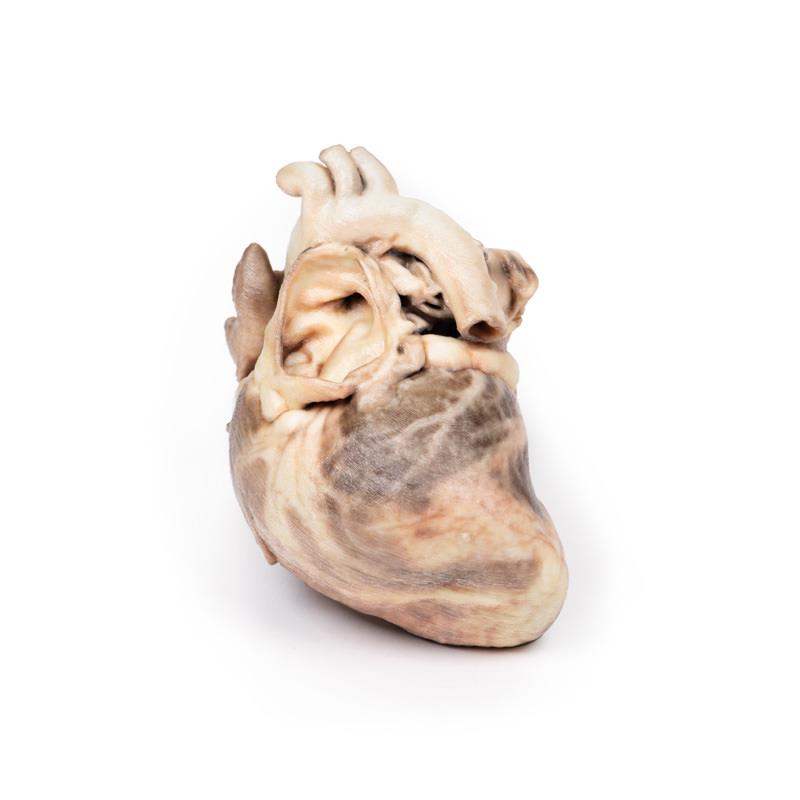
Heart Models for Cardiology and Health-Science Education — What to Look For
Heart anatomy models give Australian health-science educators a hands-on teaching tool that diagrams cannot replicate. This guide covers model types, key features, and how to match a heart model to your programme level and budget.
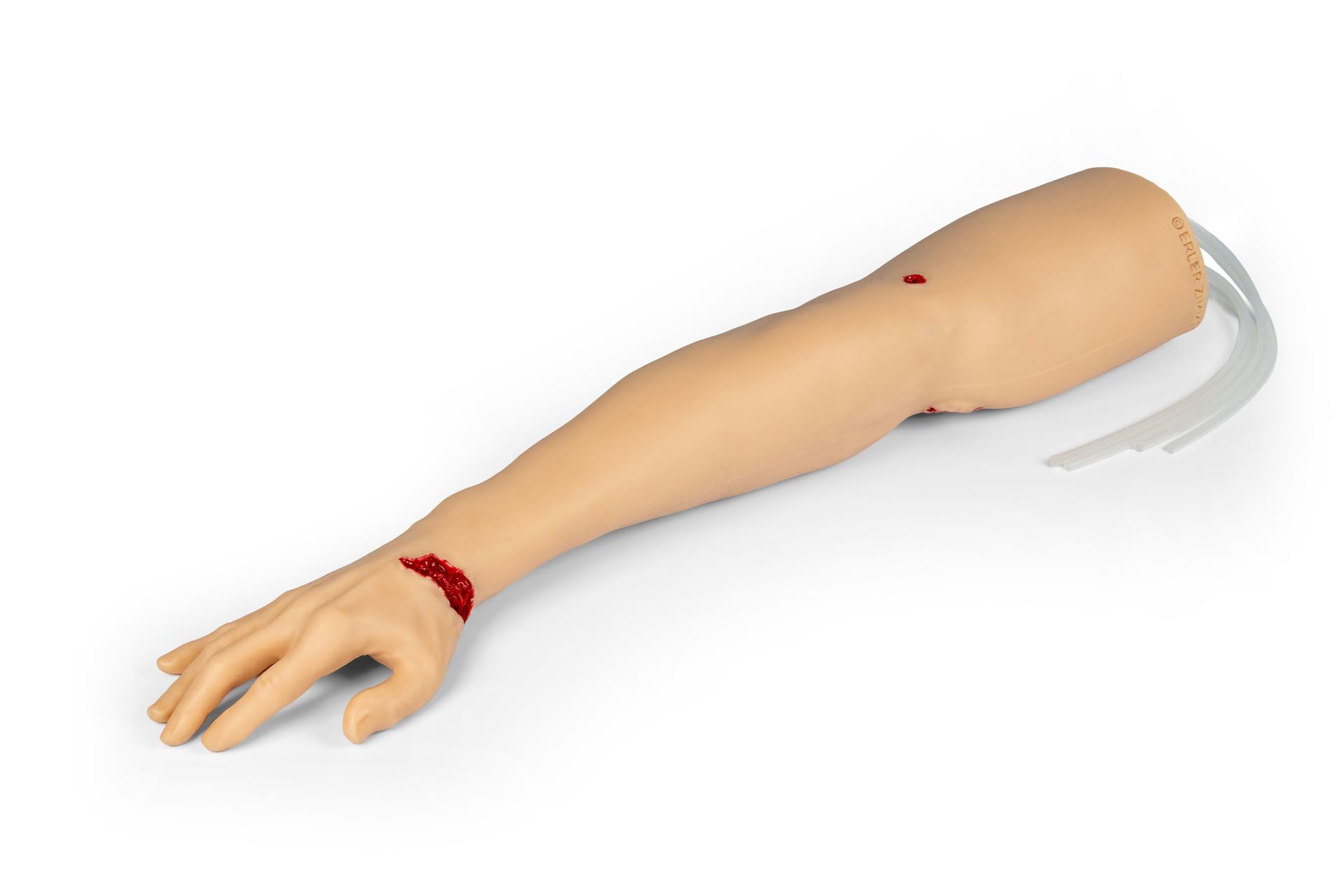
Trauma Simulation Trainers for Emergency Nursing — What Australian Programmes Need to Know
Trauma simulation trainers give Australian emergency nursing and paramedicine programmes a safe, repeatable way to build procedural skills. This guide covers trainer types, key features, and procurement advice for Australian institutions.
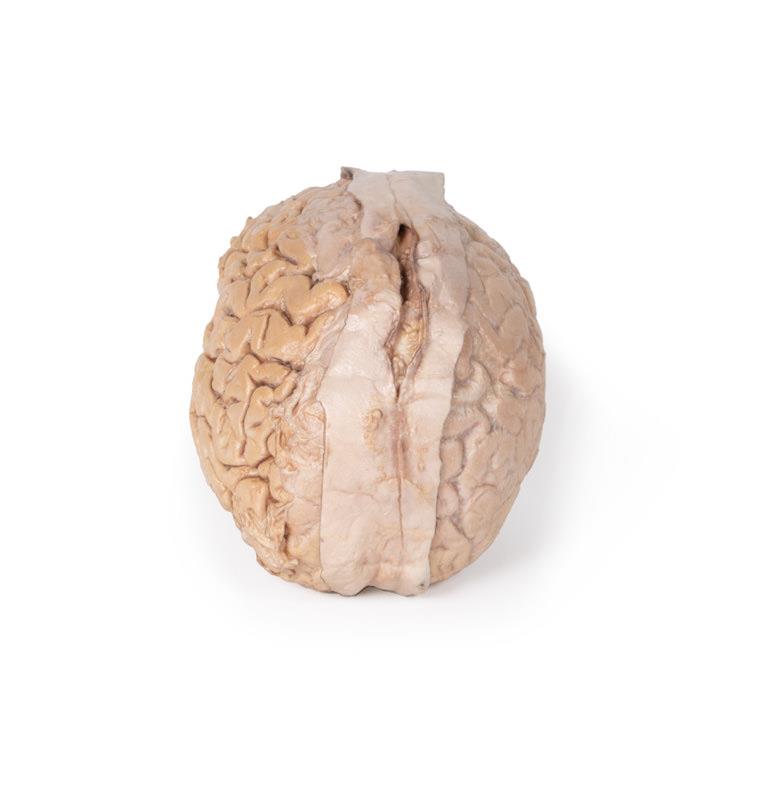
Brain Models for Neuroscience and Health-Science Education — A Buying Guide
Brain anatomy models give Australian health-science educators a hands-on teaching tool that diagrams cannot replicate. This guide covers model types, key features, and how to match a brain model to your programme level and budget.
.jpg)
Injection and Venipuncture Trainers for Nursing Education — What to Look For
Injection and venipuncture trainers give Australian nursing and paramedicine programmes a safe, repeatable way to build procedural skills before clinical placement. This guide covers trainer types, key features, and procurement advice.

Veterinary Anatomy Models for Training — A Practical Guide for Australian Vet Schools and Clinics
Veterinary anatomy models give Australian and New Zealand vet schools and clinics a practical, repeatable way to teach animal structure and clinical skills without relying solely on cadavers or live animals.
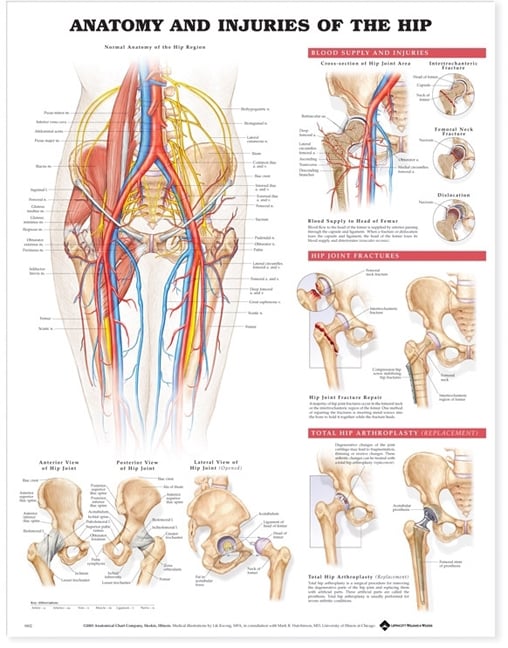
Anatomical Charts and Posters in Health-Science Teaching — When and How They Help
Anatomical charts and posters are a practical, low-cost teaching resource for health-science programmes. This guide covers when they work best, how to choose them, and how to integrate them with models and simulators.

Spine and Vertebrae Models for Chiropractic and Physiotherapy Education — What to Look For
A practical guide to selecting spine and vertebrae models for chiropractic and physiotherapy programmes in Australia, covering model types, key features, pathology options, and budget considerations.
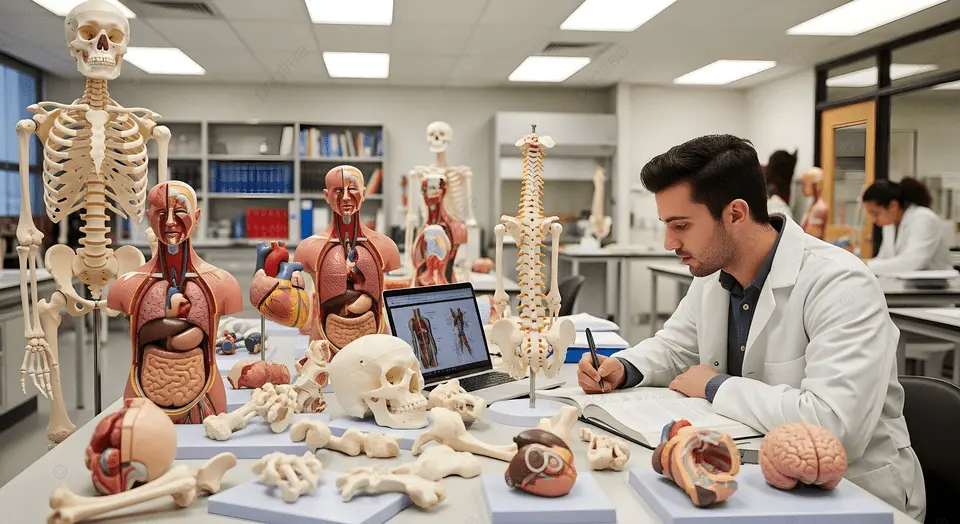
Skeleton Models — What to Know Before You Buy
A practical guide to choosing the right anatomical skeleton model for your classroom, clinic or training facility. Covers model types, features to look for, and how to match a model to your teaching needs.
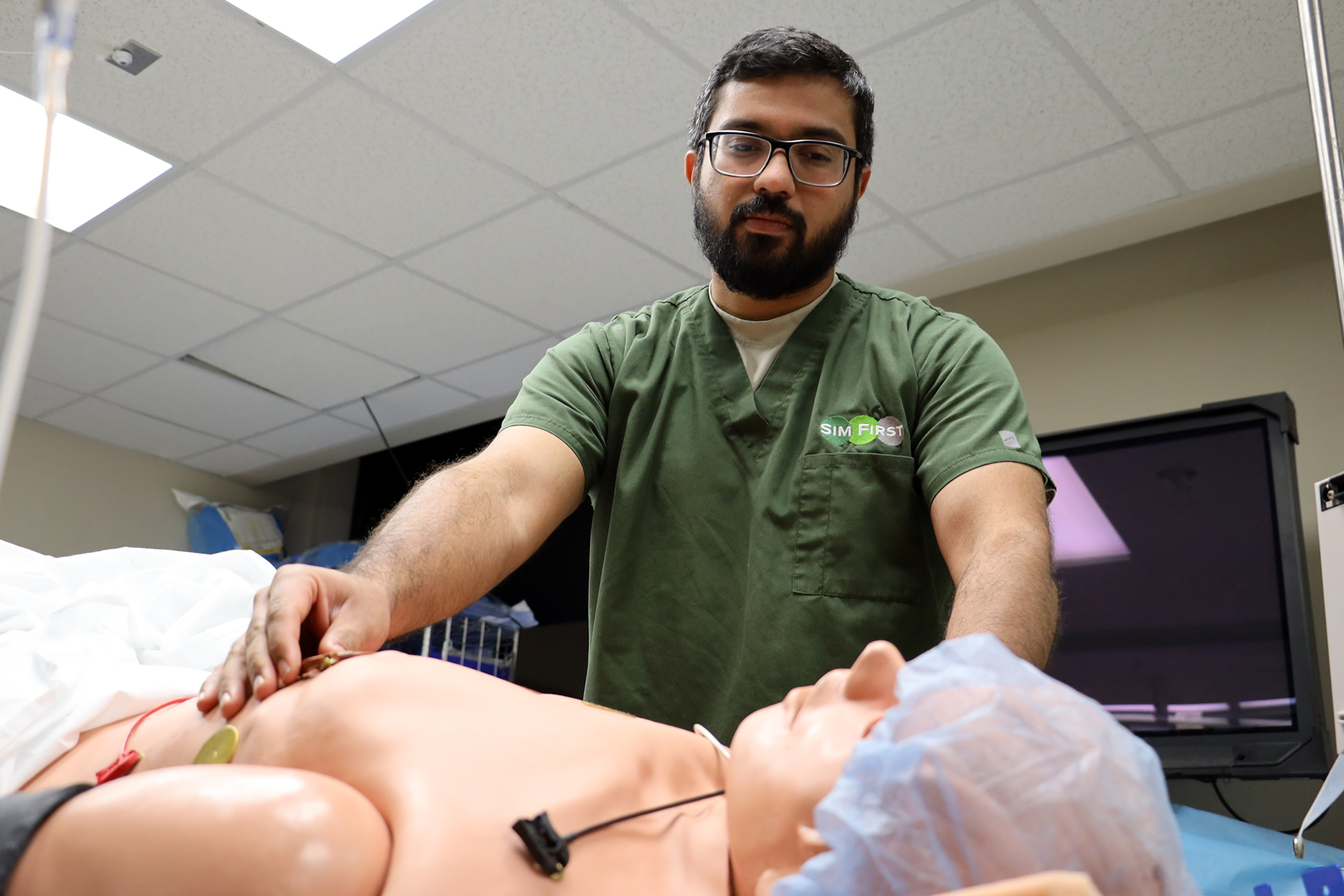
Why Simulation Matters in Healthcare Training
Medical simulation has moved from a niche tool to a core component of healthcare education. Here is why Australian universities, hospitals and training providers are investing heavily in simulation-based learning.
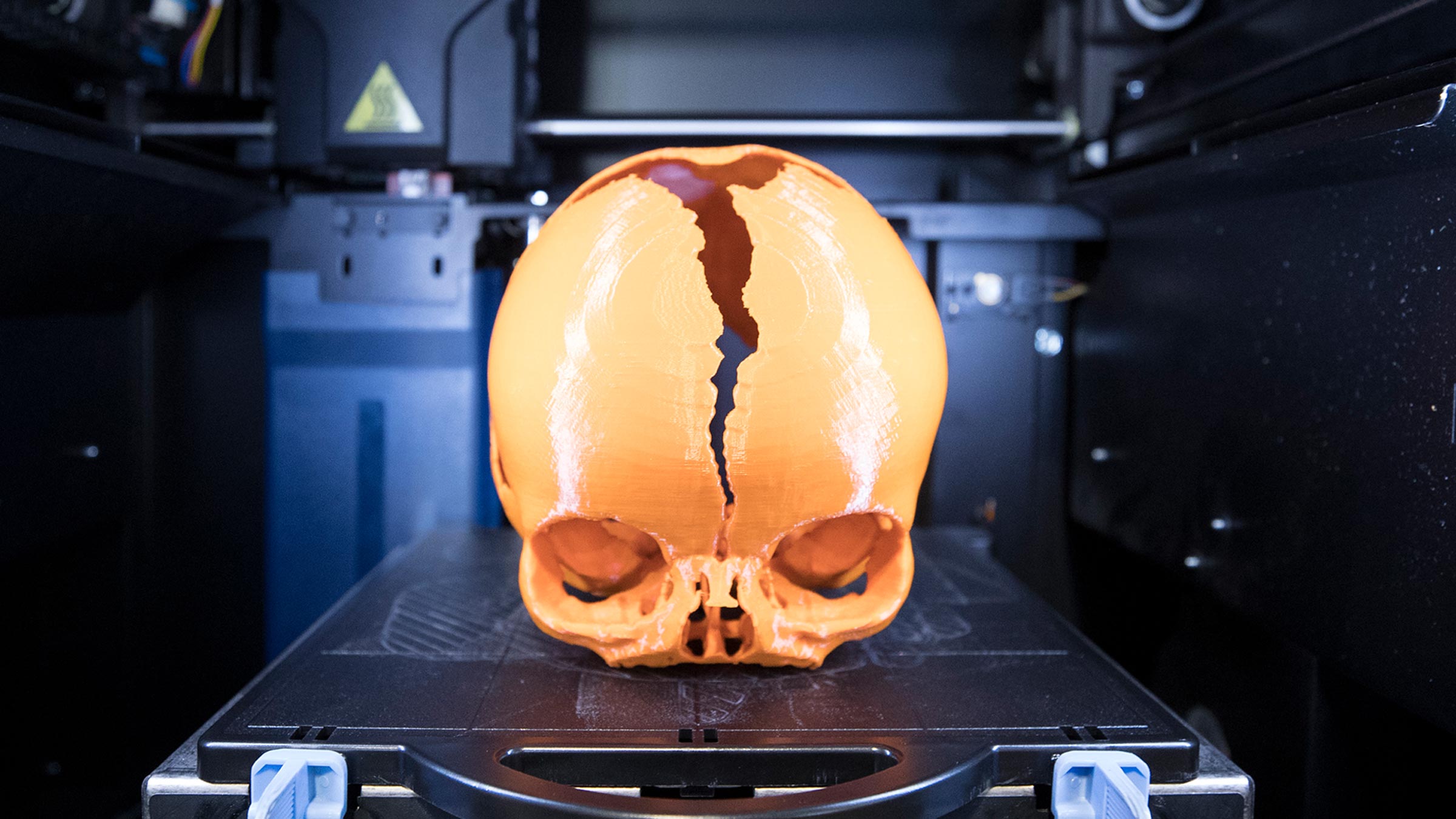
3D Printing and the Future of Anatomy Education
How 3D printed anatomical models created from real patient scans are changing the way anatomy is taught — and why they are becoming a viable alternative to traditional cadaveric study.
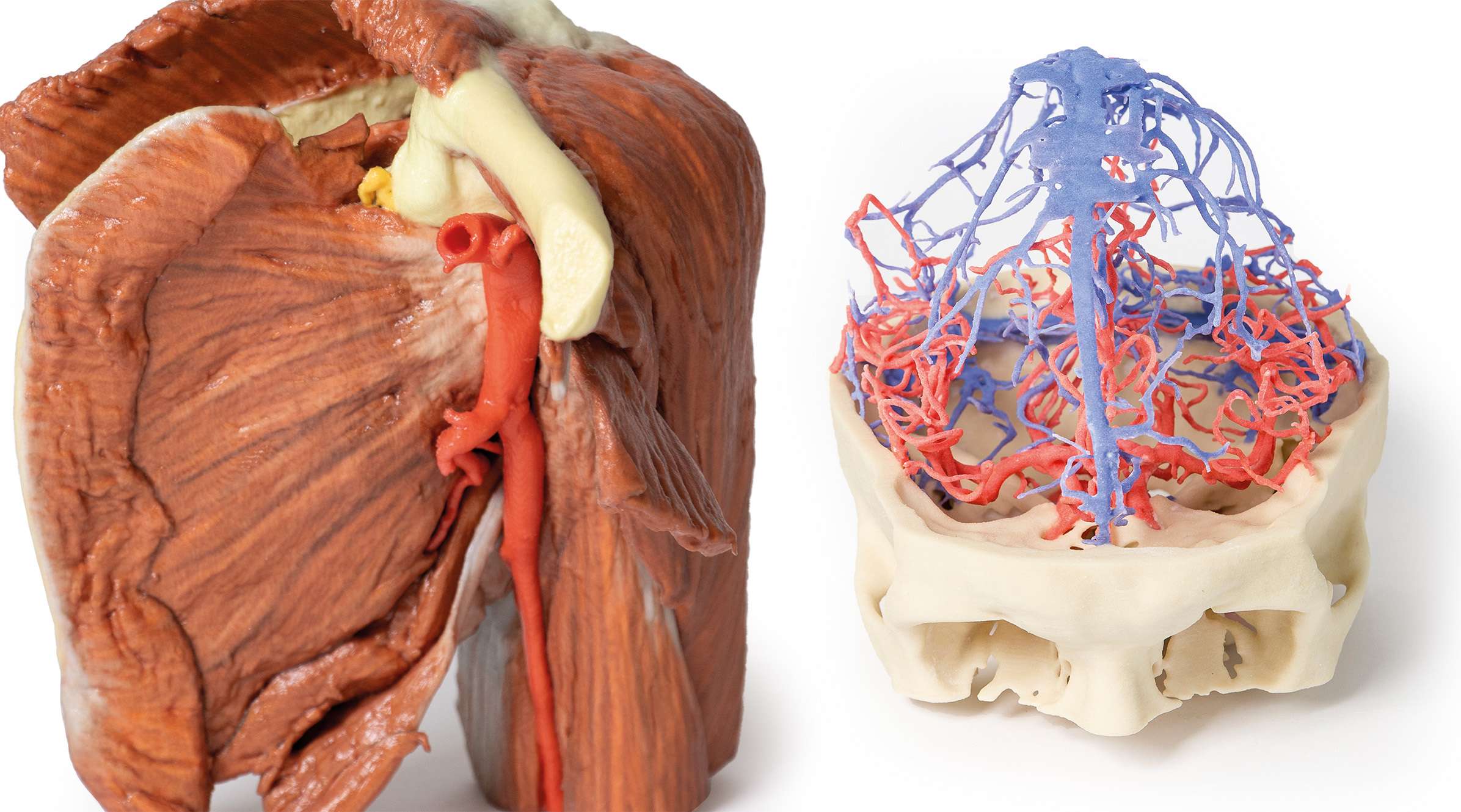
Plastinated Specimens vs 3D Printed Models — Which Is Better for Teaching?
Both plastinated specimens and 3D printed models have earned a place in modern anatomy education. But they serve different purposes. Here is an honest comparison to help you decide which is right for your program.